Material Shifts
13. Nov. 2026 – 28. Feb. 2027
A major international group exhibition that looks at sculpture as an act of translation.
Olga Balema, Katinka Bock, Ludovica Carbotta, Rhea Dillon, Miho Dohi, Vincent Fecteau, Ane Mette Hol, Brad Kronz, Jean-Luc Moulène, Germain Ngoma, Kaare Ruud, Stein Rønning, Diane Simpson, Dima Srouji, Mungo Thomson
Traditionally, the notion of sculpture recalls a stable object rendered in a robust material: something frozen in time and space. Still, sculptural practices have always also retained a notion of “material shifts”: from mold to cast, from sketch to three-dimensional form, or from idea to physical realization.
The works on view span conceptually driven pieces, material explorations, space-activating installations, and repurposed objects, mapping a field made vital through translation.
Translation is about differentness. A way of coping with, and ameliorating, and yes, denying difference. — Susan Sontag, “On Being Translated” (1995)
The idea of “translation” connects otherwise distinct, singular practices moving between media, materials, languages and ideas: for some, translation becomes an act of transformation—a remaking of one thing into something materially or conceptually different. For others, it is a matter of transition, a more gradual shift from one form or thought into another—an alteration.
While the word translation is generally understood to be concerned with language, an additional meaning is the rendering of a thing in another medium or form, or adapting it to another system, context, or use. This action—of lifting something from its source and reshaping it—is foundational to sculpture itself; from Greek sculptors carving the likeness of soft skin from hard stone to the readymade recontextualizing everyday objects as art.
The artists in Material Shifts undertake numerous such translations, often through precise and imaginative exchanges between categories—such as moving from two-dimensional to three-dimensional forms, from the fleeting to the permanent, or by giving physical presence to ideas not previously existing in any shape or form.
In this way, the works demonstrate how sculpture, and the sculptural, remain relevant as artistic forms. Without returning to a modernist notion of “pure” medium specificity, the works nevertheless engage with an understanding of sculpture that differs from both installation art and the object—two terms more commonly used in contemporary art.
While the introduction of found objects into the realm of art has opened up a complex study of ordinary objects and things through an artistic lens, the works in this exhibition seem to define themselves by being different from, or somehow other than, everyday objects. However closely they may resemble or refer to things from daily life, they appear as translated: held at a distance from their source material.
Curated by Owen Martin and Steinar Sekkingstad
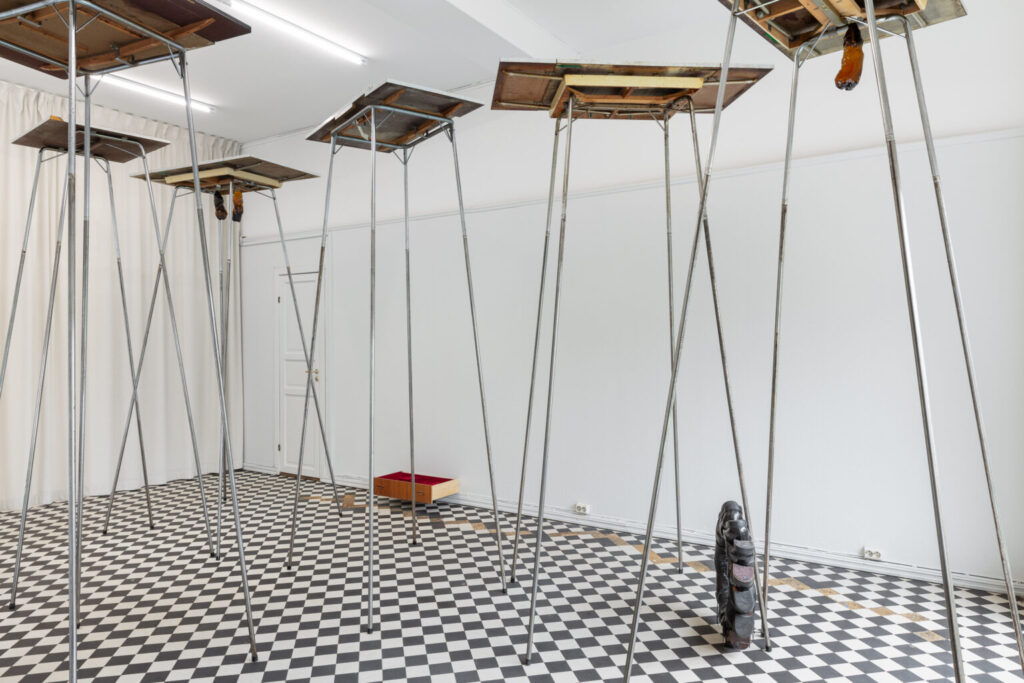
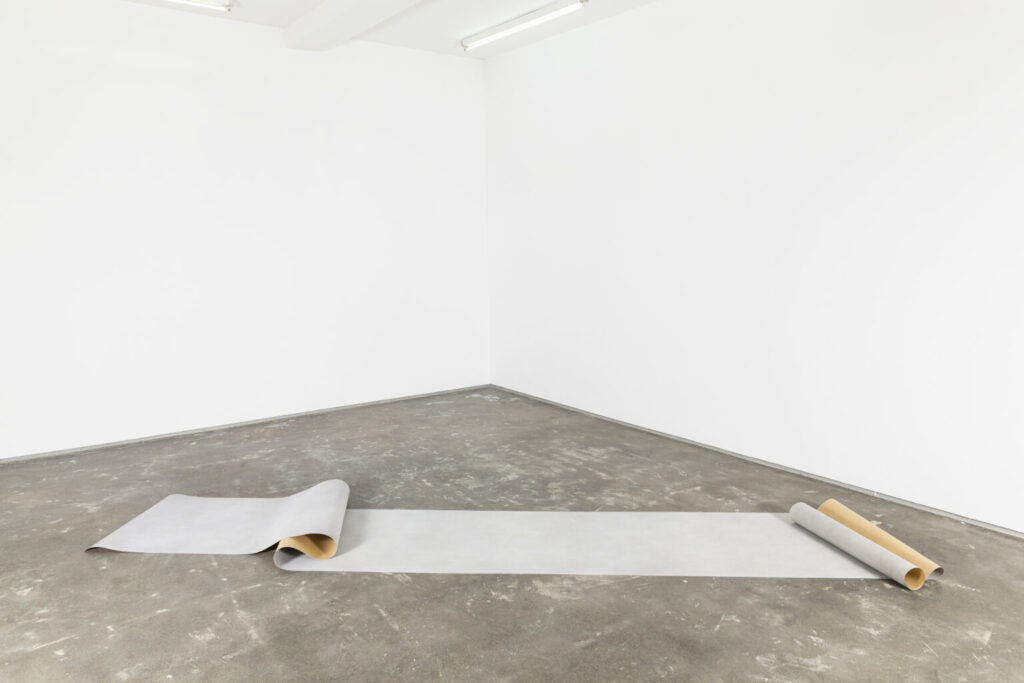
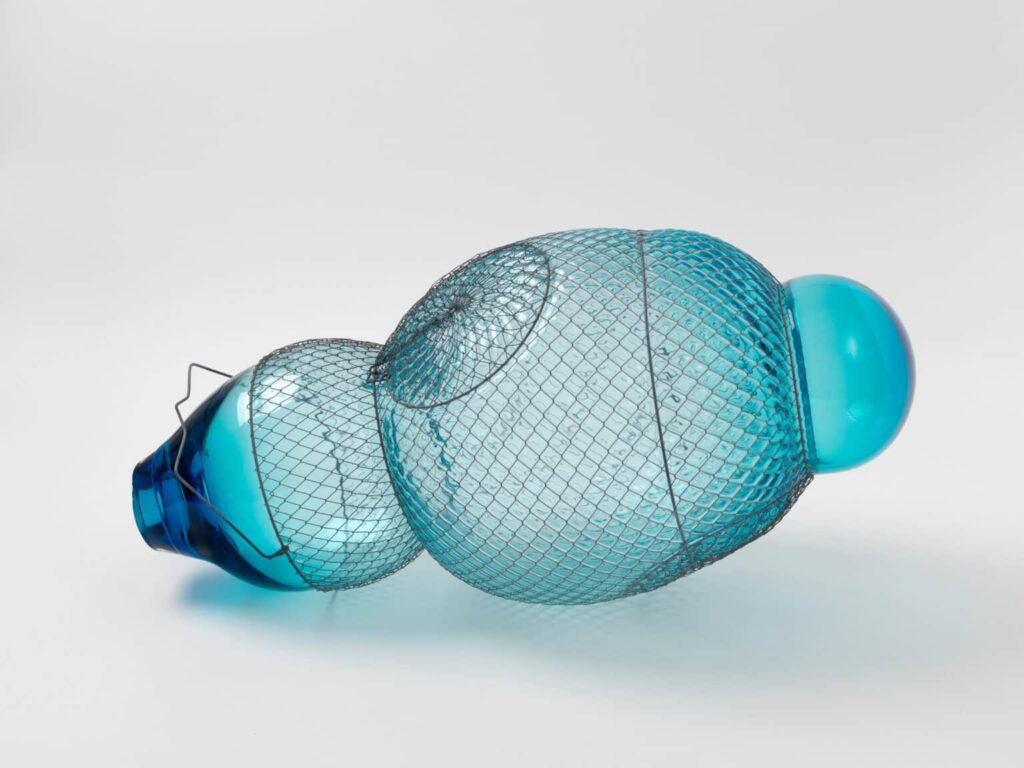
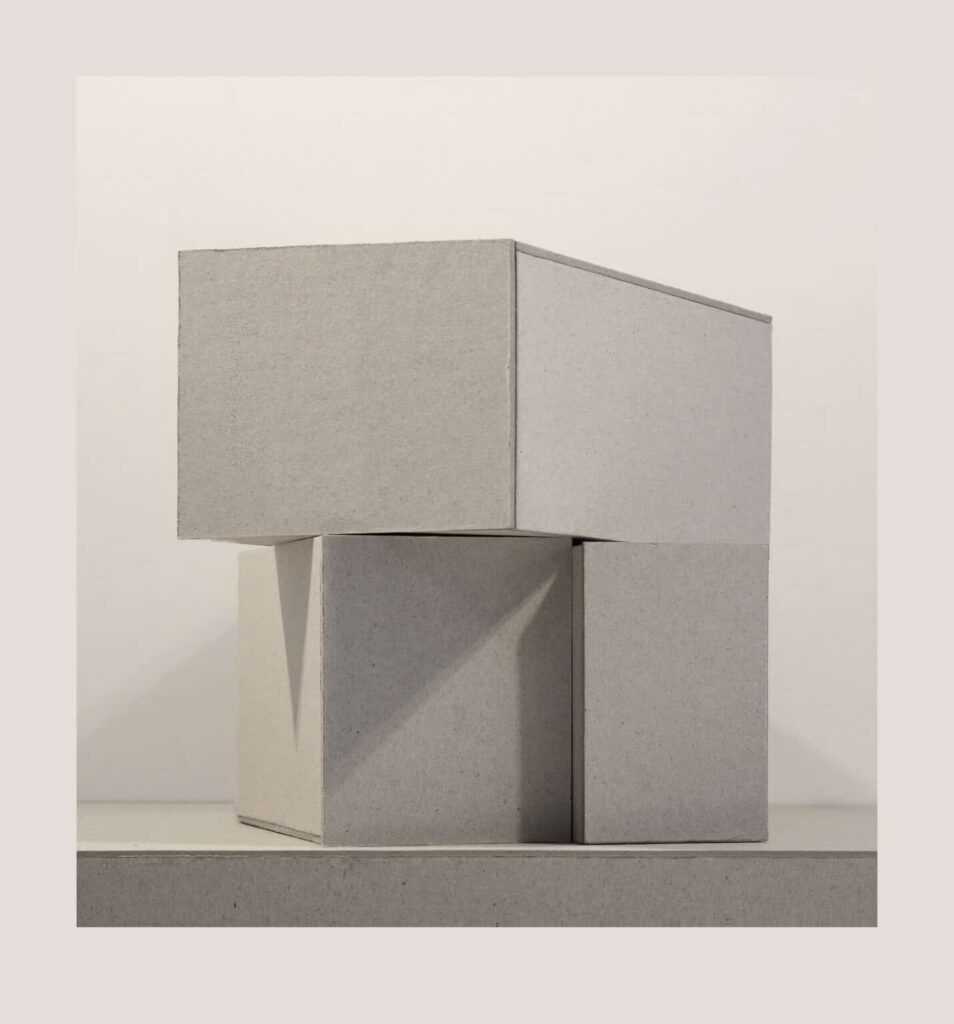
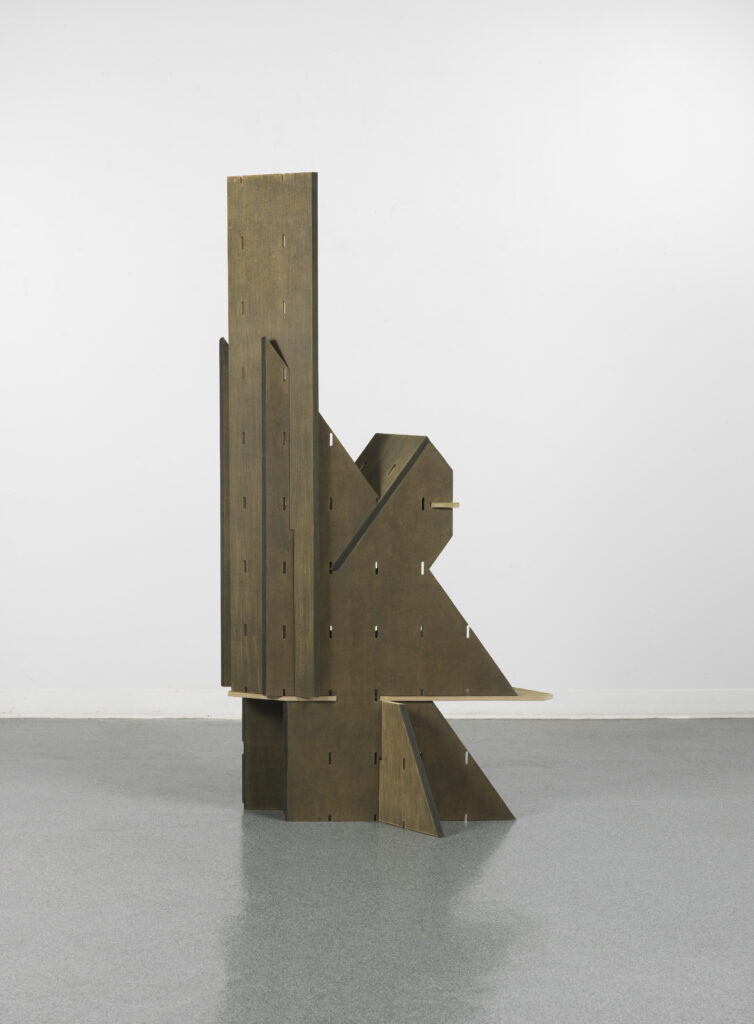
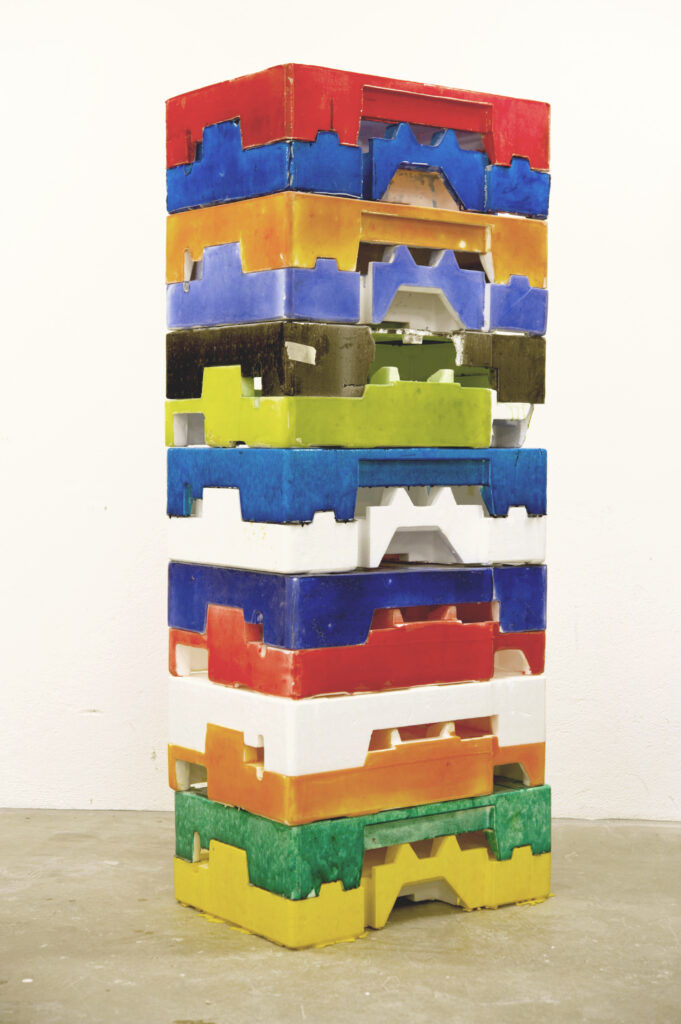
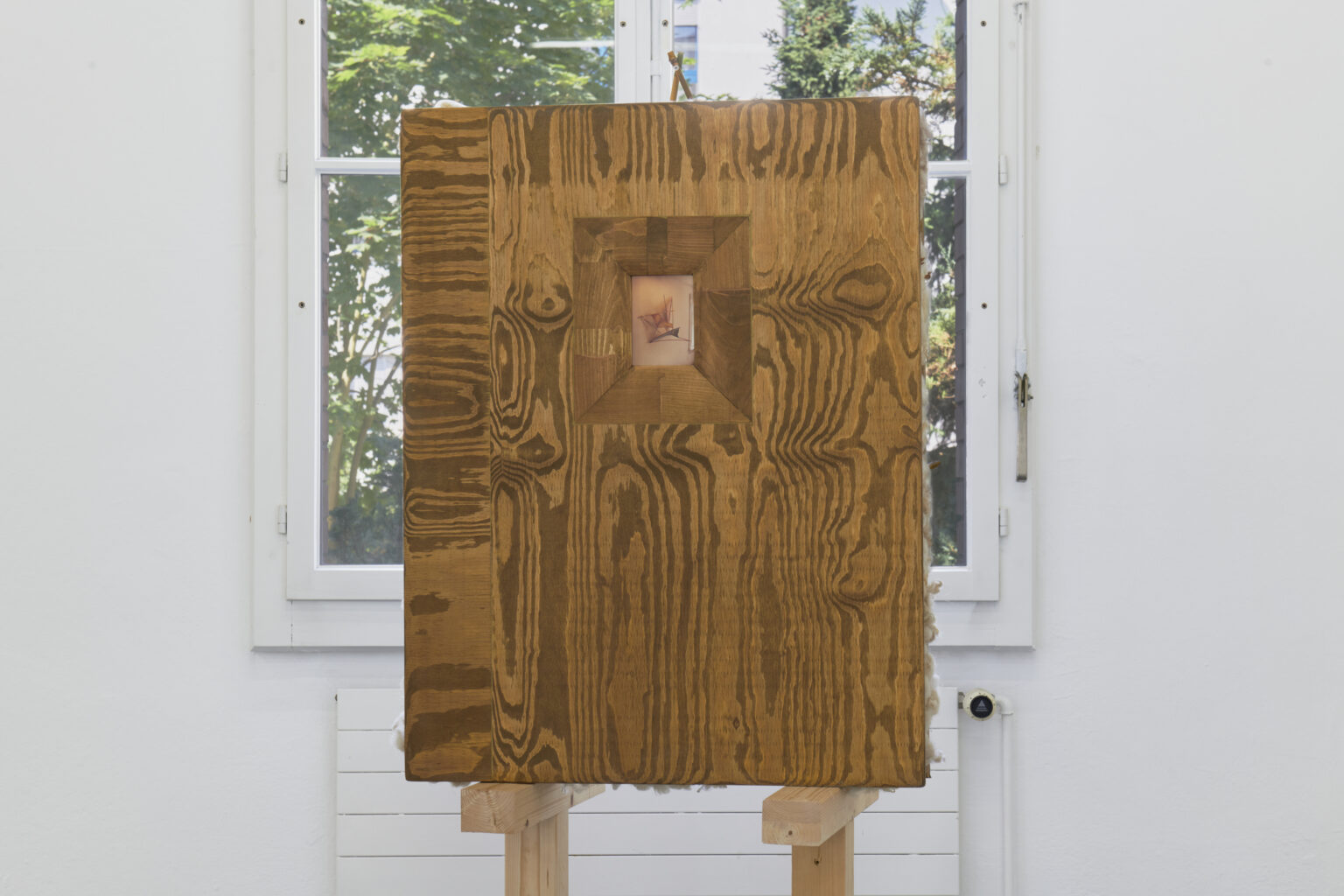
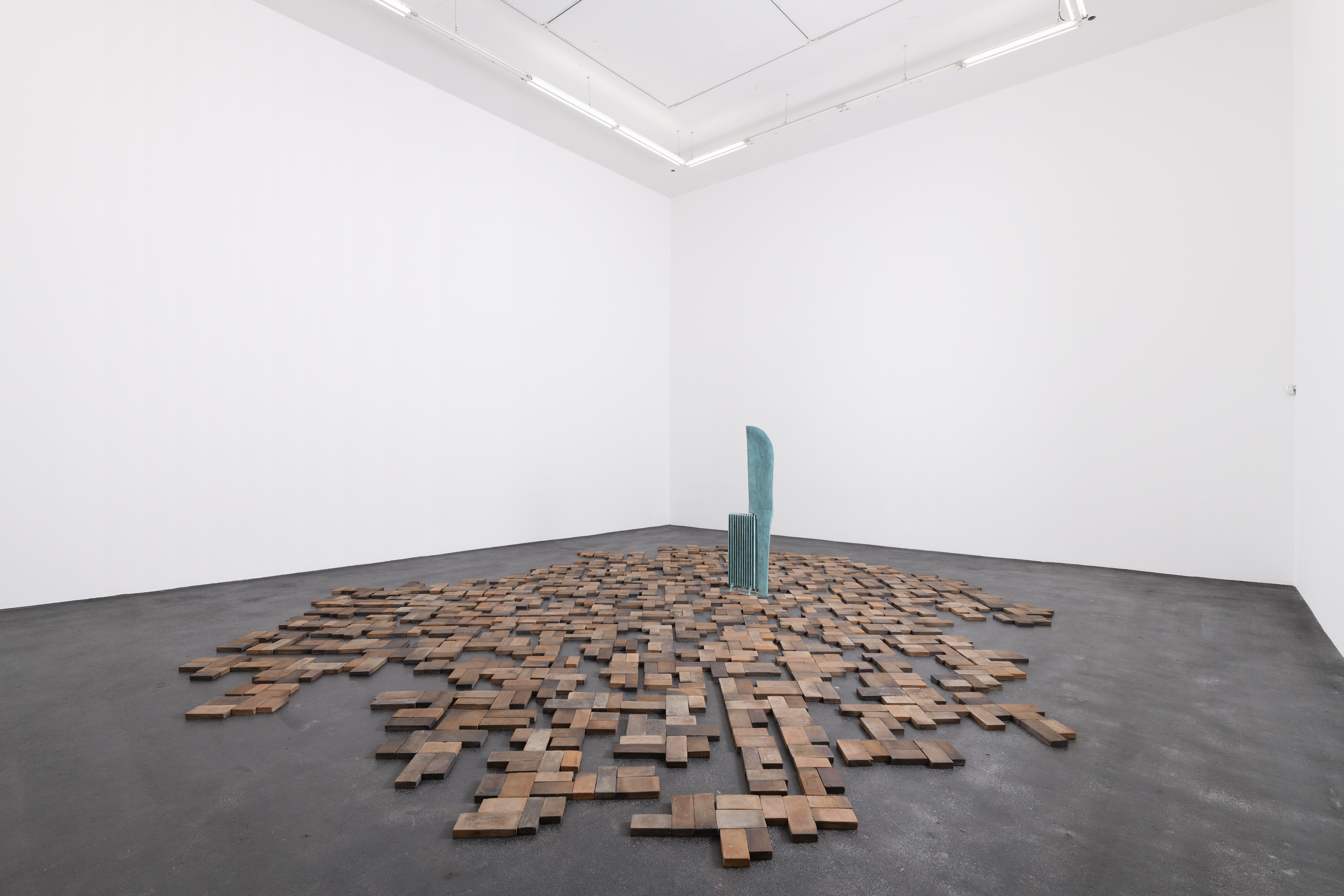
Artists in the exhibition
Encouraging a reading based on differentness, the exhibition does not seek to define or categorize contemporary sculpture by grouping works into distinct categories, or according to principles of likeness. Rather, it is organized as a drift through the exhibition spaces, where the works occupy diverse positions on a spectrum between sculpture and its orientation towards the world: from direct relations, through more ambiguous or implicit references.
Jean-Luc Moulène’s objects draw on fields from physics, mathematics, economics, language, industrial processes, and the body, transforming ideas and abstract systems into tangible forms while preserving each material’s specific properties. Glass, bronze, stone, or digitally generated forms are therefore not neutral carriers but active participants in the process of translation. Stein Rønning’s sculptures and photographic prints unfold through subtle transitions from one iteration to the next: photographs camouflage as painted surfaces, and sculptures are “developed” like photographs—through successive iterations using both analogue and digital tools.
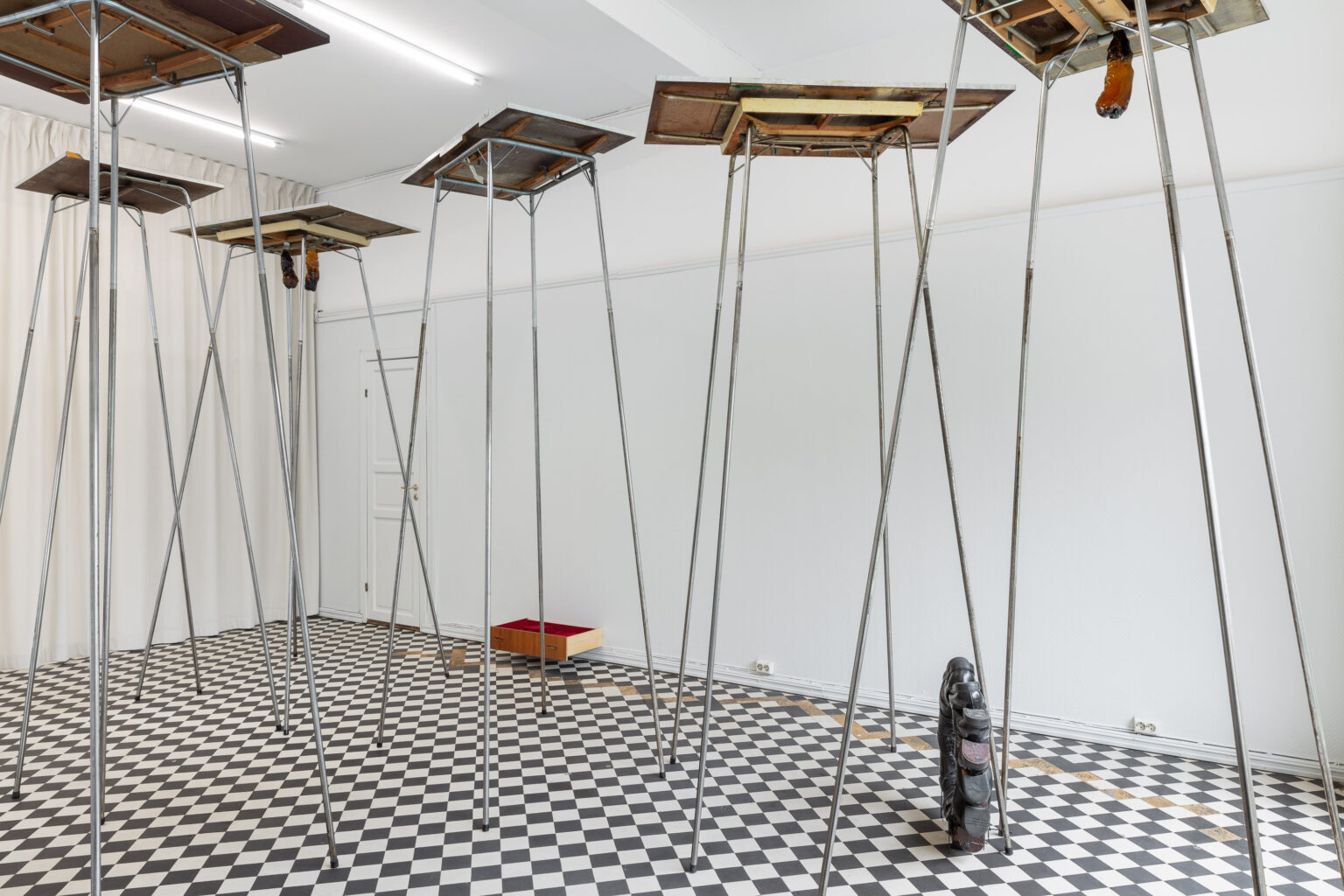
Architecture, domestic interiors and discarded everyday objects inform other works: Diane Simpson draws on clothing, furniture, utilitarian objects, and architecture, translating vernacular sources into schematic drawings and rigorously constructed sculptural forms that test the relation between two- and three-dimensional space. Katinka Bock works with modest and natural materials such as terracotta, wood, plaster, ceramic, leather, and fabric, often in relation to found objects whose used materials suggest meanings beyond their materiality. Ludovica Carbotta explores urban space and the ways individuals connect to the environments they inhabit, developing what she calls fictional site-specificity, treating imaginary or fiction-inflected places as forms of knowledge. Germain Ngoma uses discarded and found materials shaped by global consumption. In a group of works titled Containers and Repetitions of Variable Forms (1996/2026), Styrofoam packaging material becomes both mold and support, determining the formal properties of new casts while retaining traces of its original function.
Ane Mette Hol and Mungo Thomson put forward sculpture as a mediated object, and the unstable relation between original and reproduction. Hol’s three-dimensional drawings appear almost indistinguishable from industrially produced objects, yet are painstakingly hand-rendered; in Drawing Literature (2020)and Drawing Internet (2025), she adds a further layer by redrawing reproductions of her own works from print and online documentation. Thomson’s Snowman series (2022/2023) recasts cardboard delivery boxes as bronze monuments, while his film Sideways Thought (2020–22), devoted to Auguste Rodin, investigates how the sculptor’s practice appears in print—rephotographing documentation from around fifty art catalogues, and animating the static objects through stop-motion editing.
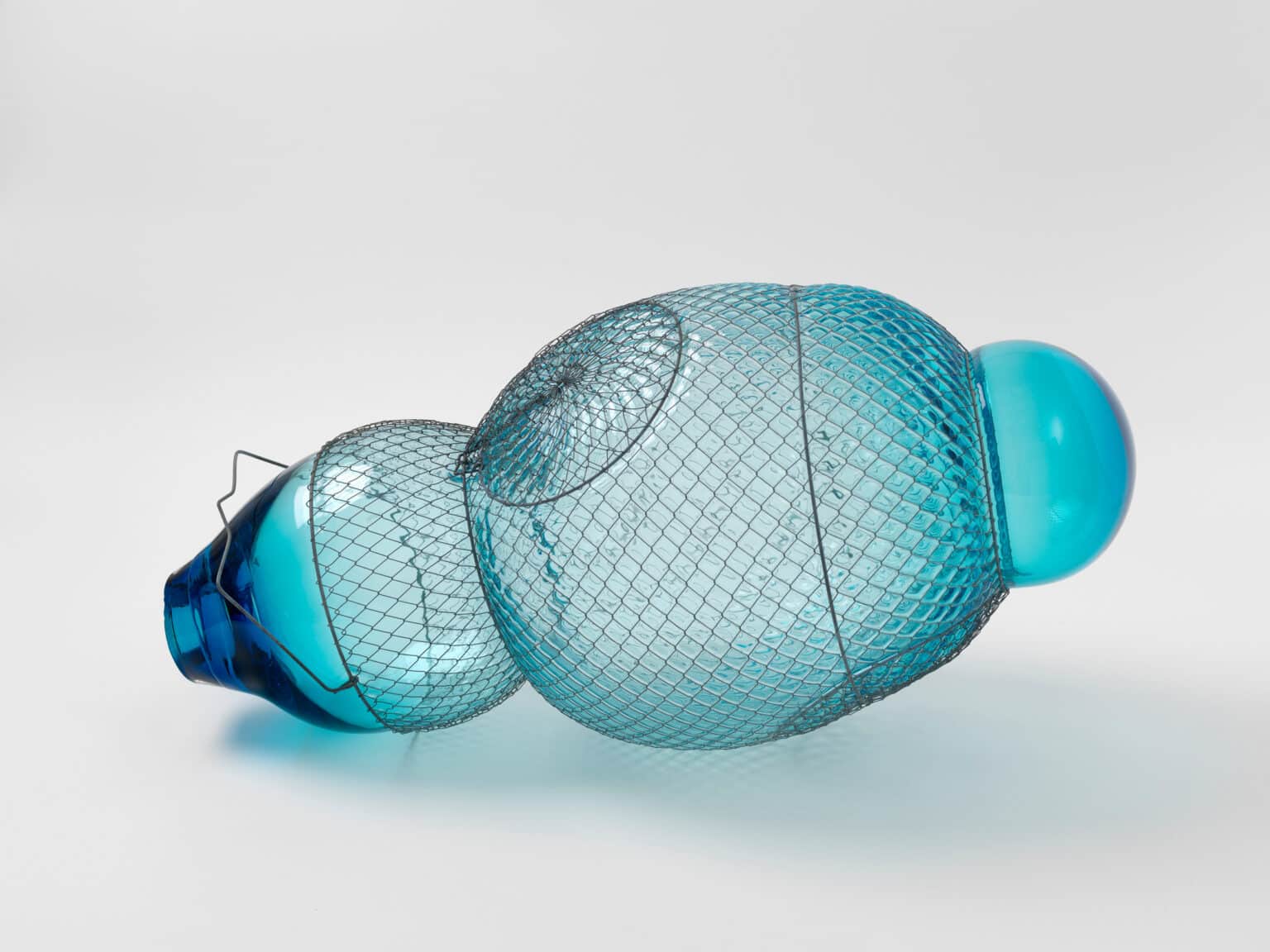
Elsewhere in the exhibition, charged geographies and often violent histories are embedded in objects and materials. Dima Srouji’s research-based practice is grounded in the material and immaterial remains of Palestine and the wider Mediterranean, working through craft traditions such as glass, stone, clay, and mother-of-pearl, in collaboration with artisans and archaeologists. Rhea Dillon engages translation as both a literal and literary process; in her works, sourced rather than found objects make Black Caribbean diasporic experience visible without representing it directly, with materials such as sapele mahogany, cut crystal, and anti-climb paint carrying meaning through latent associations.
In the works of Brad Kronz and Kaare Ruud, everyday life surroundings are deconstructed, blurring the boundaries between the personal and the cultural. Kronz investigates overlooked structures and surfaces of ordinary objects and cultural artifacts, asking when an object exceeds its functional identity. Ruud’s sculptural interventions similarly transform commonplace materials through unconventional use, giving functional objects unfamiliar qualities often charged with references to the artist’s own biography.
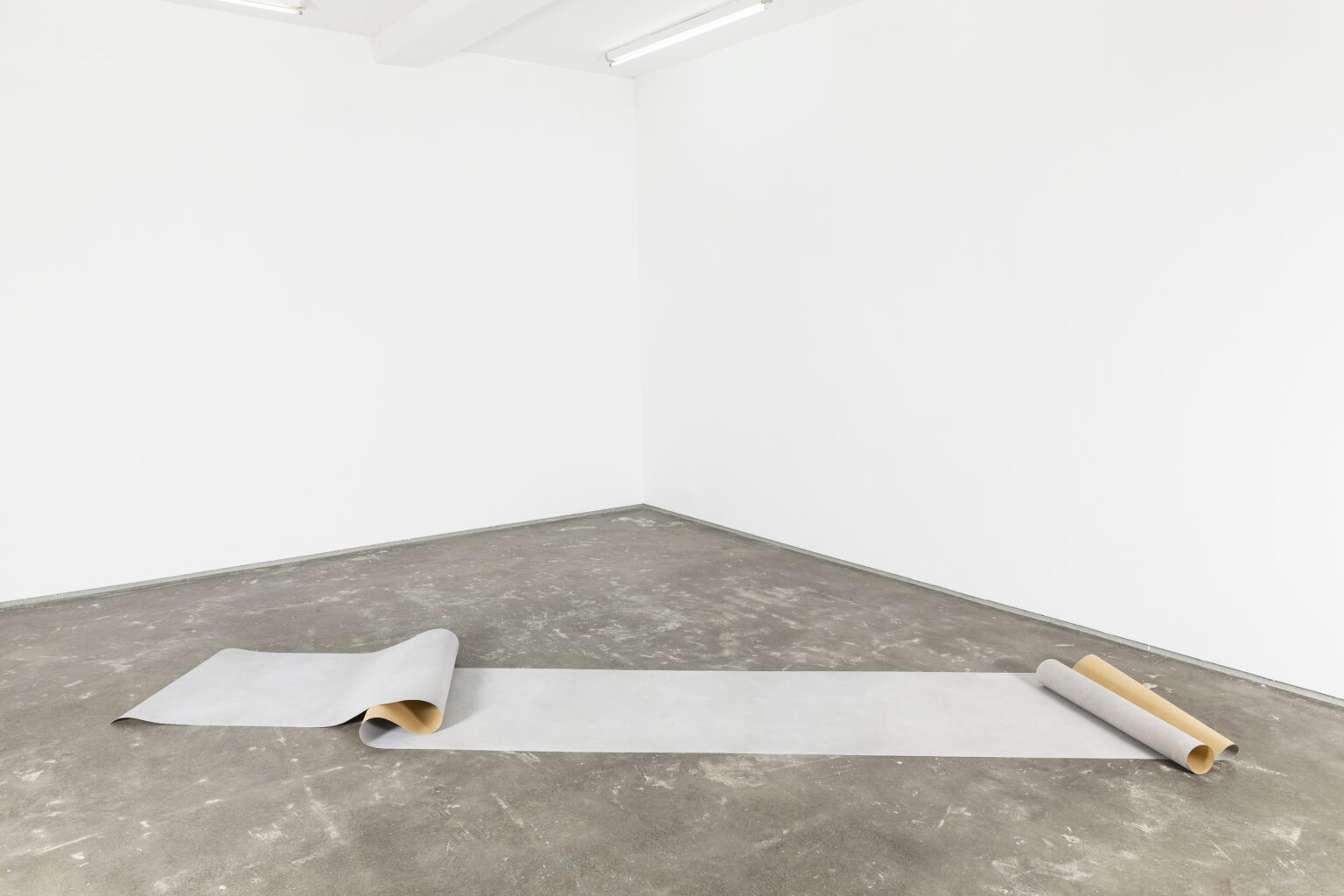
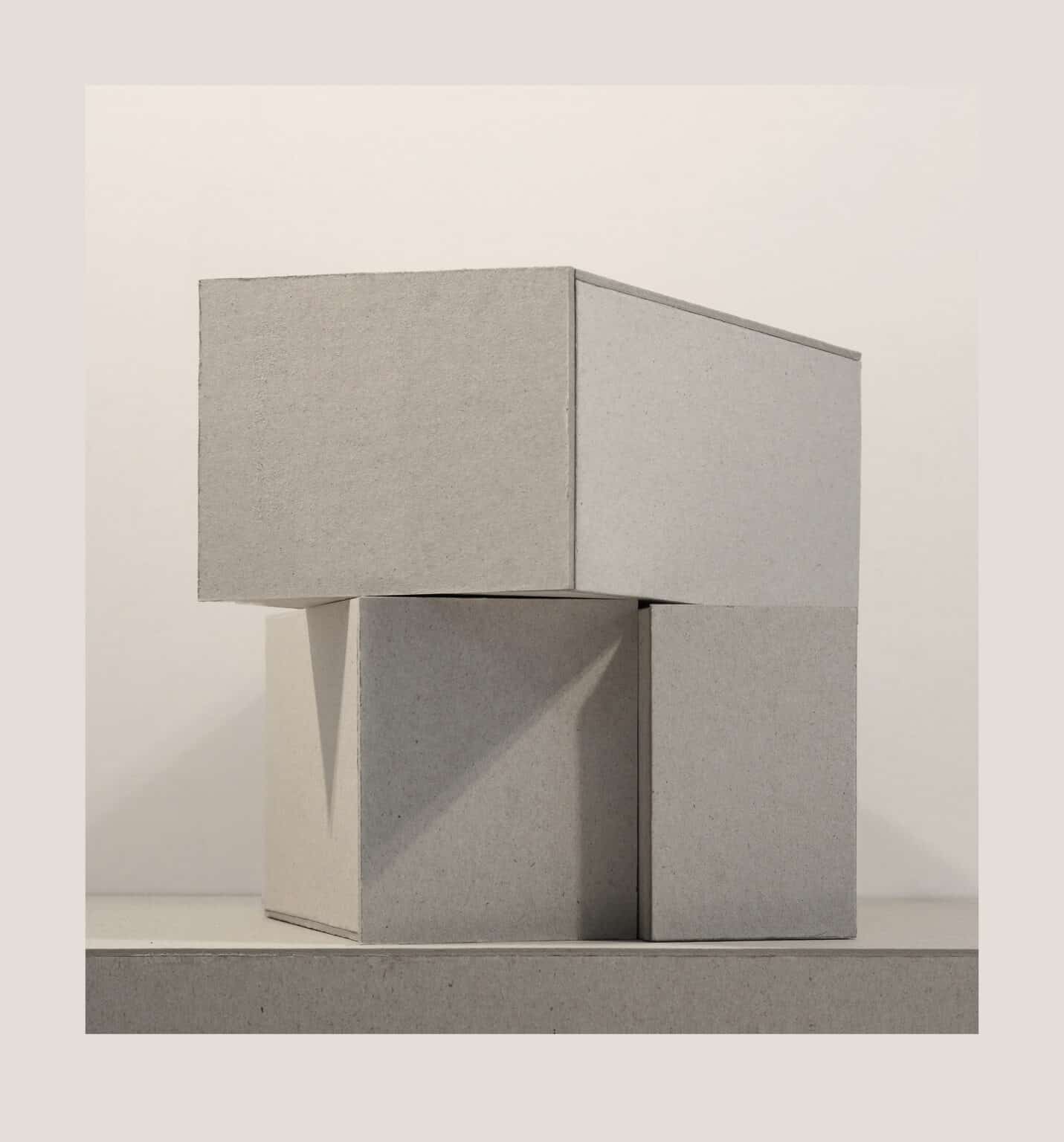
Vincent Fecteau, Miho Dohi, and Olga Balema keep such references oblique, or seemingly absent, allowing the works to appear as discrete objects occupying space in their own right. Fecteau’s abstract sculptures, made from ordinary materials such as papier-mâché, cardboard, and paint, may evoke associations while refusing definite meaning. Dohi’s modestly scaled buttai combine yarn, wire, fabric, sheet metal, paint, and tape in compact constellations of forms and surfaces. Balema extends this conceptual openness through fluid, seemingly unfixed, and formally transparent sculptures that converse with the exhibition architecture.