Grammars of Light
06. Feb. 2026 – 10. May. 2026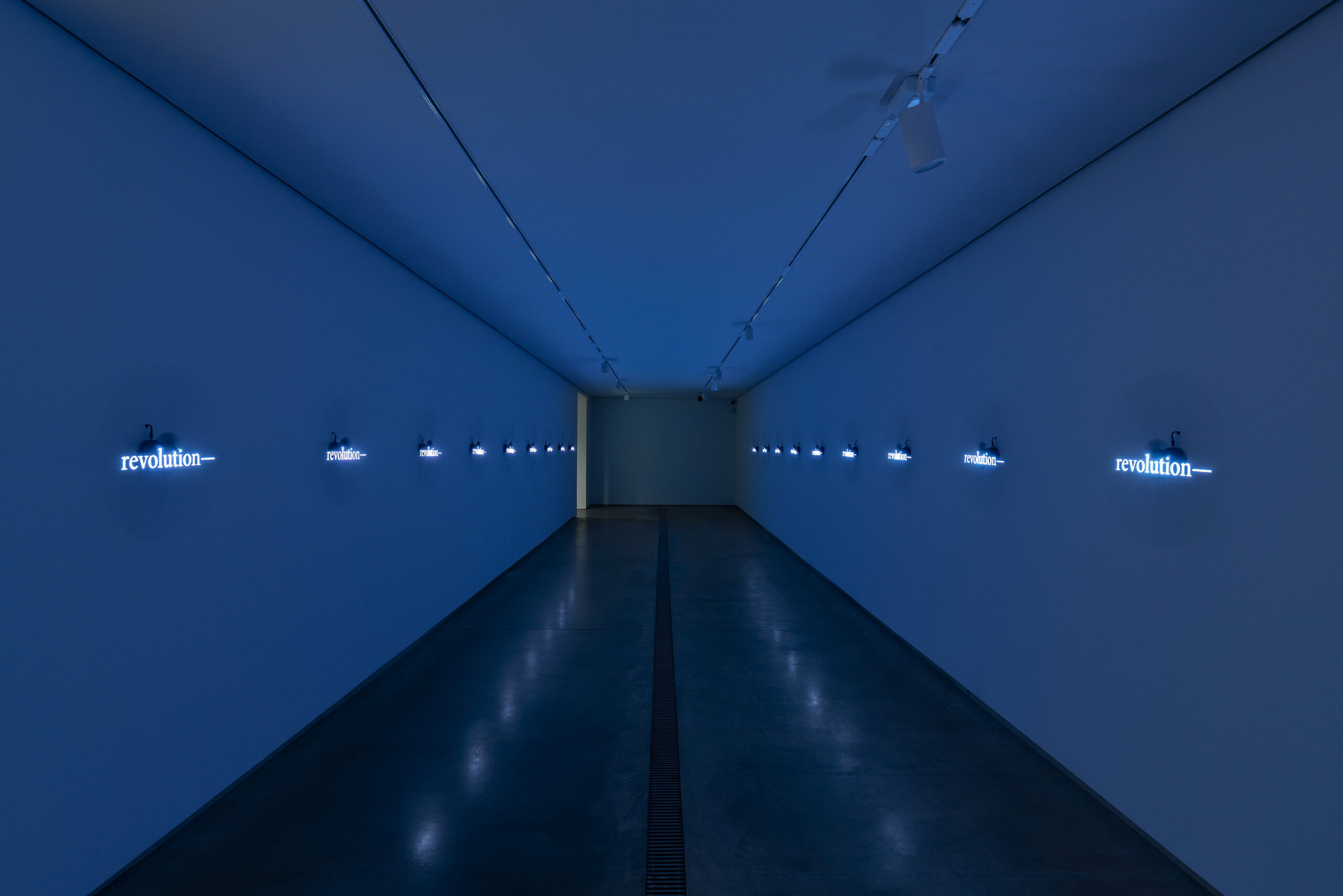
Cerith Wyn Evans, Ann Lislegaard, P. Staff
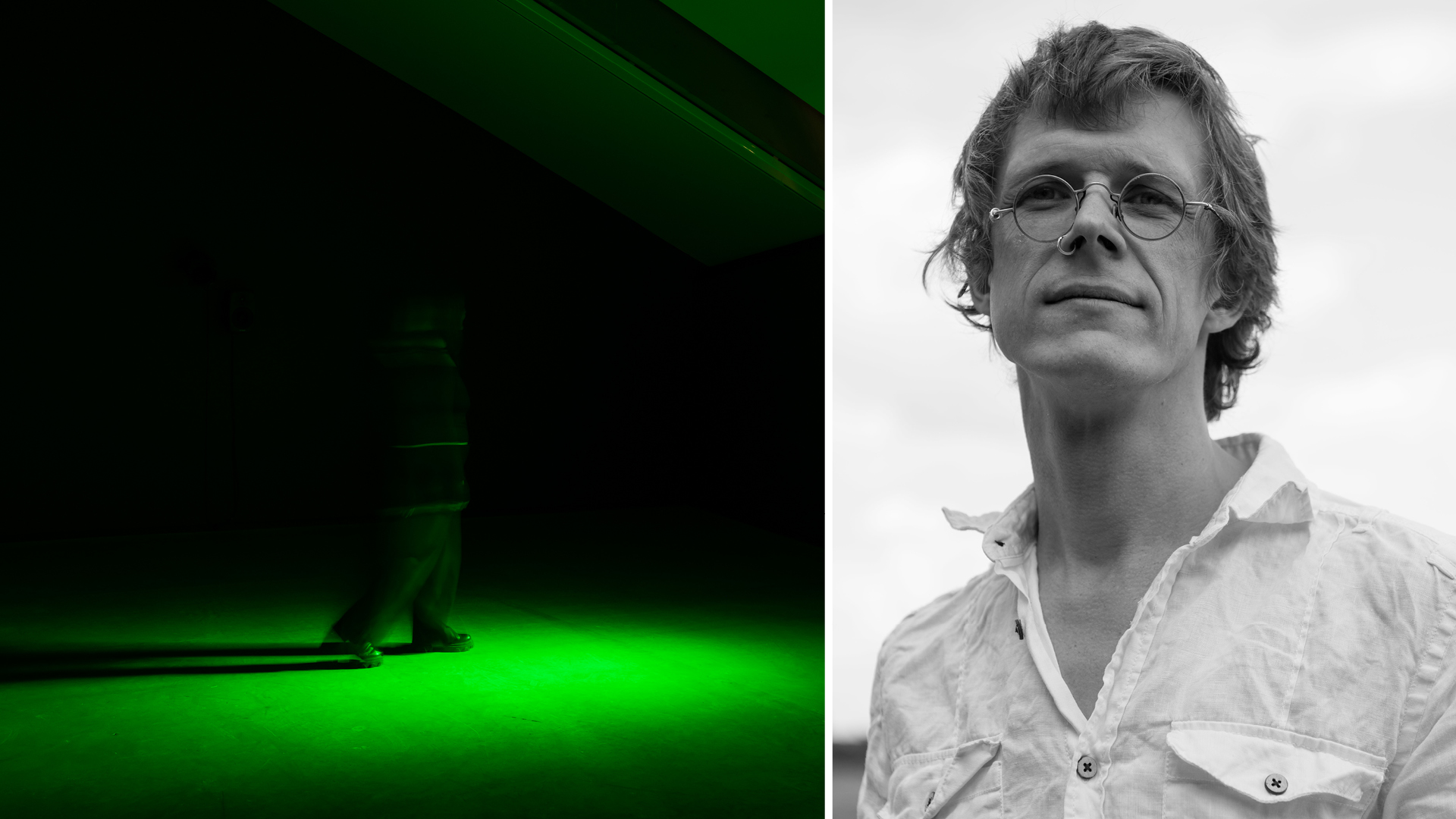
Grammars of Light brings together the work of three contemporary artists—Cerith Wyn Evans, Ann Lislegaard, and P. Staff—who explore the potential of light as an artistic medium. Their immersive environments, architecturally scaled video projections, and luminous sculptures—fashioned from repurposed consumer, medical, and industrial lighting—transform the museum’s galleries and stimulate the senses. Perception is impacted in unexpected ways, and essential questions are raised about how we see the world as a thinking, feeling body.
The representation of natural light through illusion, particularly in painting, has been an enduring concern for the visual arts. Yet it was only with the advent of mass-produced artificial lighting in the early twentieth century that artists began using it as an artistic medium. These early experiments within Constructivism and the Bauhaus gave way to more intensive experimentation in the 1960s and 1970s, in which artificial light became a defining feature of Minimalism and Post-Minimalism. While Evans, Lislegaard and Staff are informed by these traditions, they create associations that extend beyond the strict seriality and phenomenology of minimalism. Their works explore the expressive potential of this medium.
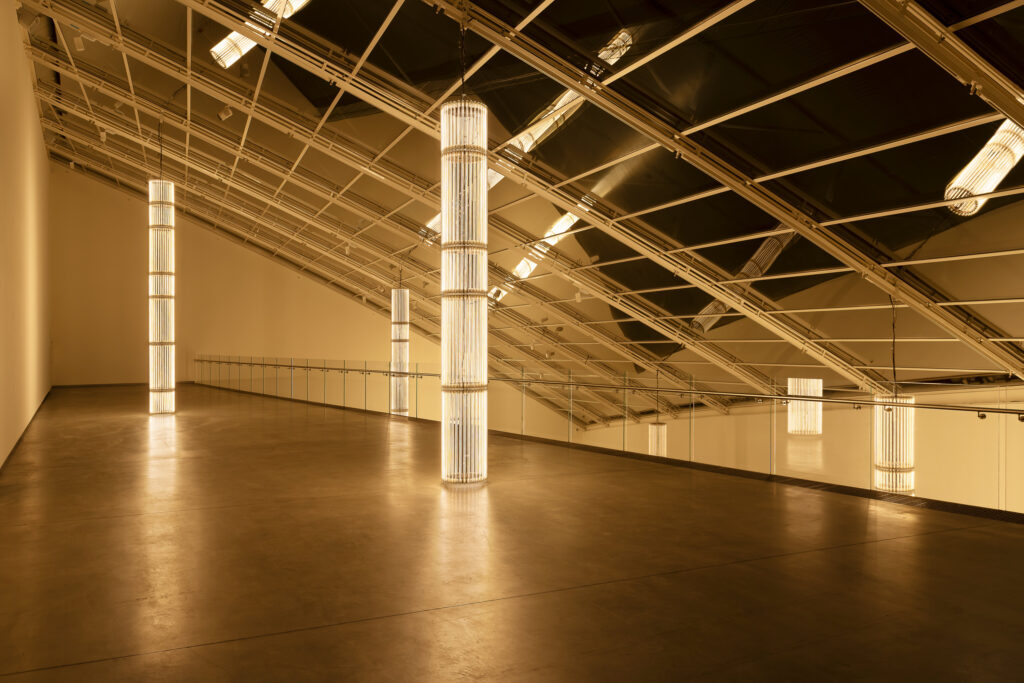
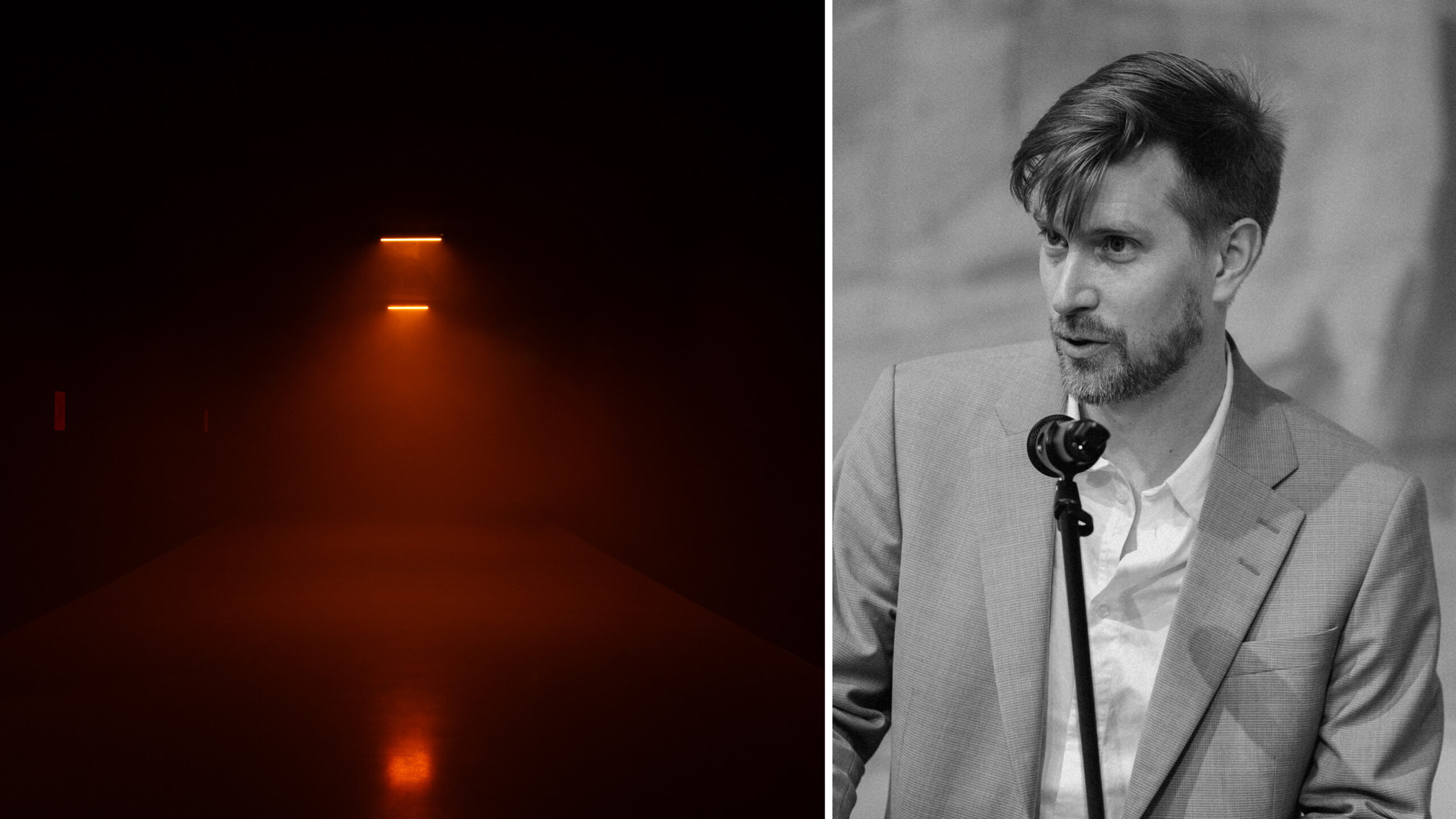
Many of the works dynamically respond to the surrounding architecture: light columns are duplicated in the museum’s glass ceiling, video installations have been scaled to the galleries that they’re presented in, and holographic fans form a corridor of intense luminosity, flashing poetic texts. Instead of illustrating a principle or providing simple answers, we are pulled into affecting scenarios that open space for the unknown and blur the distinctions between interior and exterior.
Curated by Owen Martin
Grammars of Light is organized in parallel with Henie Onstad’s exhibition with Ann Lislegaard: ANIMOID (9 January 2026 – 19 April 2026). A joint public program will provide visitors with an opportunity to engage with the artist’s practice in depth across two institutions.